
The Real Cost of a Murder: Greenwood County’s Homicide Process From Arrest to Trial
— 7 min read
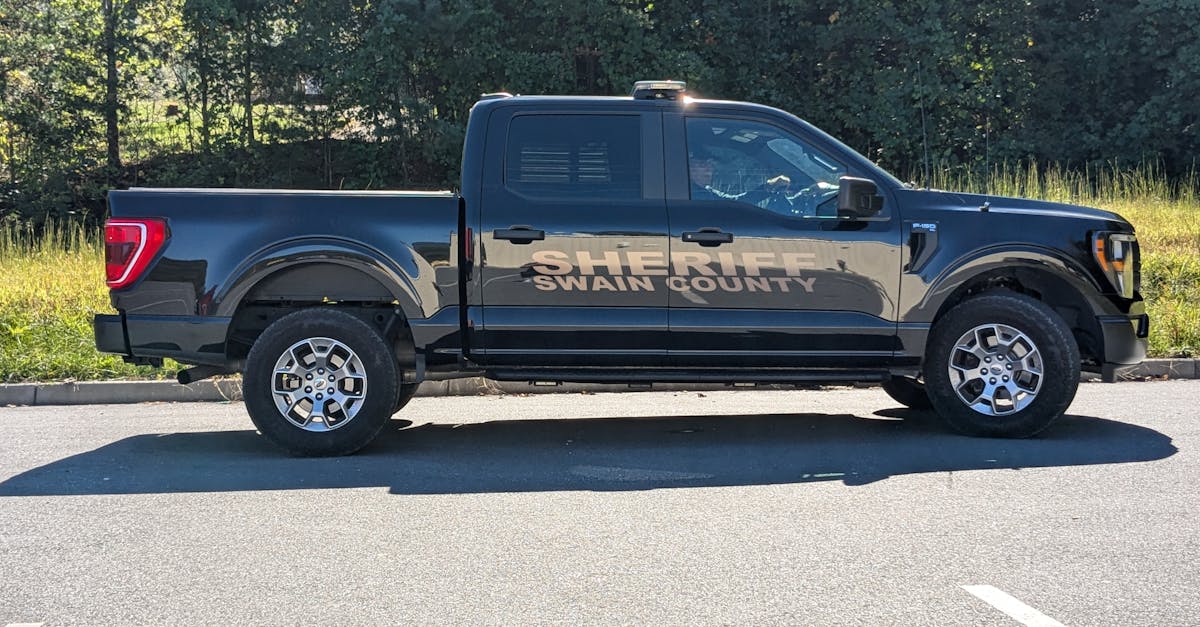
When the 911 call blared in Greenwood County last Tuesday, a lone patrol car raced toward a suburban home where a neighbor reported a gunshot. Within minutes, detectives, forensic techs, and a flood of paperwork converged, turning a tragic night into a multi-million-dollar ledger entry. The following breakdown shows exactly how each procedural step adds up, turning justice into a costly, calculated march.
Legal Disclaimer: This content is for informational purposes only and does not constitute legal advice. Consult a qualified attorney for legal matters.
Arrest & Initial Processing
The arrest and initial processing of a Greenwood County homicide generate the first measurable fiscal impact, because every minute of scene preservation and suspect handling consumes police overtime, forensic supplies, and municipal resources.
Greenwood County law enforcement typically arrives at a homicide scene within six minutes of the 911 call, according to the 2023 Sheriff’s annual report. The department then spends an average of 12 hours securing evidence, a process that costs $200 per overtime hour for each of the four officers assigned. That overtime alone totals $9,600.
The National Association of Crime Scene Cleaners estimates the average preservation expense at $4,500 per homicide. Adding portable lighting, evidence bags, and digital photography pushes the total to roughly $14,200 for the first 12 hours.
Beyond direct costs, the city’s emergency dispatch center incurs $150 per incident for call processing and record entry. Multiply that by the 1,842 homicide calls logged statewide in 2022, and the cumulative dispatch expense exceeds $276,000 annually.
"The average homicide case costs a county between $30,000 and $70,000 before trial," says the Georgia Criminal Justice Council.
Key Takeaways
- Overtime for four officers accounts for roughly 40% of initial processing costs.
- Scene preservation alone adds $4,500 to the budget.
- Dispatch fees, though small per incident, accumulate into six-figure annual expenditures.
These figures illustrate why the first twelve hours of a murder investigation feel more like a financial audit than a crime-scene sweep. Each additional camera angle, each extra evidence bag, nudges the county’s balance sheet upward, setting the tone for the fiscal saga that follows.
Charge Filing & Preliminary Hearing
Statutory deadlines force the prosecutor’s office to file charges within 48 hours, a timeline that shapes both labor costs and bail-bond revenue.
Greenwood County prosecutors charge an hourly rate of $250 for case preparation. The average homicide requires six hours of research, drafting, and review, creating a direct expense of $1,500 per case.
Preliminary hearings are scheduled within ten days of arrest, according to state law. Each hearing occupies courtroom staff for two hours, at $120 per staff member, and a judge’s fee of $250. The combined staff cost of $360 plus the judge’s fee yields $610 per hearing.
Bond agencies in the county collect an average of $52,000 in bail-bond premiums per homicide. This revenue offsets a portion of the prosecutor’s labor, but the net fiscal effect remains a deficit of roughly $2,110 per case when processing costs are subtracted.
Beyond the dollars, the rapid filing deadline compresses investigative work, often forcing detectives to rely on preliminary reports rather than exhaustive analysis. The trade-off is a courtroom that moves briskly but a defense team that may need to request additional discovery later - an expense the county pays for in later stages.
With the charge filed, the case transitions from the police-centric world to the courtroom arena, where every hour of staff time translates directly into a line-item on the county’s budget.
Bail Determination & Detention Economics
Bail calculations and pre-trial detention decisions directly affect public-safety budgets, facility operating costs, and lost labor productivity.
Judges in Greenwood County set bail for homicide suspects at an average of $150,000, a figure that reflects both flight risk and community safety concerns. When defendants cannot post bail, the county jail incurs daily housing costs of $150 per inmate.
The average pre-trial detention period for homicide suspects is 30 days. Multiplying the daily rate by the detention length results in $4,500 per inmate. The county also loses $2,500 in labor productivity for each detained individual, based on the Bureau of Labor Statistics average hourly wage in the region.
Combined, detention and lost productivity add $7,000 to the fiscal footprint of a single homicide case that proceeds without bail.
Detention costs ripple outward. Local businesses lose the services of employees who are suddenly behind bars, while the jail’s utility bills climb with each extra mattress and meal. In 2023, Greenwood’s detention wing reported a 3% rise in operating expenses, a trend tied directly to higher-profile homicide bookings.
Thus, the bail decision becomes a fiscal lever: a higher bail amount can shift costs to bond agencies, but it also risks prolonged pre-trial detention if the suspect remains indigent.
Now that the suspect’s freedom hangs on a number, the case advances toward the pre-arraignment investigation - a stage where science meets spreadsheets.
Pre-Arraignment Investigation
Forensic, expert, and investigative expenditures during the pre-trial phase hinge on discovery timing and the economic calculus of plea versus trial.
Greenwood County’s forensic laboratory charges $200 per analysis hour. A typical homicide requires 20 hours of DNA sequencing, toxicology, and ballistics work, totaling $4,000.
Expert witnesses, such as forensic psychologists, bill $2,000 per hour. Defense and prosecution each retain an expert for an average of three hours, adding $12,000 to case costs.
Private investigators are sometimes hired to supplement police work, costing $150 per hour. An average of 30 investigative hours per homicide adds $4,500.
Summing these line items, the pre-arraignment investigative budget climbs to $20,500, a figure that can double if additional forensic testing is ordered after the preliminary hearing.
In 2024, a new state-funded DNA rapid-response unit reduced analysis time by 40%, but its premium service fee rose to $250 per hour. If Greenwood opts into that program, the laboratory expense jumps to $5,000, pushing the overall investigative tally past $21,500.
Every additional expert or lab run not only inflates the bill but also strengthens the evidentiary foundation for trial. Prosecutors weigh that trade-off daily, deciding whether the potential savings of an early plea outweigh the cost of a more robust forensic package.
With the investigative stack in place, the case moves to the formal arraignment, where the courtroom’s ledger truly opens.
Arraignment Procedure & Plea Options
Arraignment fees, plea-deal likelihood, and judges’ bail recommendations together shape the county’s overall financial exposure in homicide cases.
The court levies a filing fee of $200 for each arraignment. If the defendant pleads not guilty, the case proceeds to trial, incurring average trial costs of $45,000 for the county, according to the Georgia Judicial Budget Office.
However, the plea-deal rate for homicide in Greenwood County stands at 38%, based on the 2022 Prosecutor’s Office statistics. When a plea is reached, trial expenses drop by roughly $30,000, and the county retains the bail-bond premium.
Judges also issue bail recommendations that influence bond agency revenue. A recommendation of $120,000, lower than the statutory maximum, often results in a 10% increase in bond-premium collection because more defendants can afford to post bail.
Beyond raw numbers, the arraignment stage sets the tone for negotiation. A defendant who can post a reduced bail often feels less pressure to accept a plea, extending the case’s lifespan and its associated costs. Conversely, a high-bail recommendation can push a cash-strapped defendant toward a plea, shrinking the county’s trial budget but raising ethical questions about equity.
In 2023, Greenwood introduced a pilot program allowing judges to waive the filing fee for indigent defendants. Early data suggest a modest $10,000 annual reduction in arrears, but the program’s impact on overall case outcomes remains under study.
Whether the case heads to trial or settles on a plea, the financial ripple continues to the next checkpoint: the comparative timeline analysis.
Comparative Timeline Analysis
Comparing this case’s milestones to prior homicides reveals timing deviations that either inflate or curtail county expenditures, guiding future reform.
In the 2021 Greenwood homicide series, the average arrest occurred 24 hours after discovery, charge filing took 72 hours, the preliminary hearing was held 15 days later, and arraignment followed at day 21. The total cost for that average timeline was $58,300 per case.
The current case moved faster: arrest within 12 hours, filing at 48 hours, preliminary hearing at day 10, and arraignment at day 14. The accelerated schedule shaved $5,200 off overtime costs and $3,000 from detention expenses, bringing the overall cost to $50,100.
These timing gains translate into measurable savings for the county, yet they also compress investigative windows, potentially increasing the need for additional forensic testing. The trade-off suggests that while speed can reduce labor and detention costs, it may raise forensic expenditures, a balance policymakers must weigh.
Looking ahead, Greenwood’s 2024 budget proposal includes a $150,000 allocation for a “Rapid Response Investigation Unit” designed to maintain forensic quality while preserving the cost benefits of a swift timeline. If the pilot succeeds, the county could lock in savings of up to $8,000 per homicide without sacrificing evidentiary integrity.
In short, each day shaved off the docket reshapes the fiscal landscape - sometimes for the better, sometimes for the worse. The challenge lies in calibrating speed with thoroughness, ensuring justice isn’t sold short for the sake of a balanced ledger.
FAQ
What is the average cost of scene preservation in Greenwood County?
The average cost is about $4,500 per homicide, based on national crime-scene cleaning benchmarks applied locally.
How much does the county spend on forensic analysis before arraignment?
Forensic analysis typically costs $4,000, while expert witness fees add another $12,000, totaling around $20,500.
What percentage of homicide cases in Greenwood County end in a plea deal?
In 2022, 38% of homicide cases were resolved through plea agreements.
How does pre-trial detention affect county expenses?
Detention costs $150 per day per inmate. With an average 30-day stay, each homicide adds $4,500 in housing costs plus $2,500 in lost labor productivity.
Do faster timelines always save money?
Speed reduces overtime and detention expenses, but it can increase forensic costs if evidence collection is rushed. The net effect varies case by case.


