Criminal Defense Attorney's Bias-Tracking Tool Works?
— 5 min read
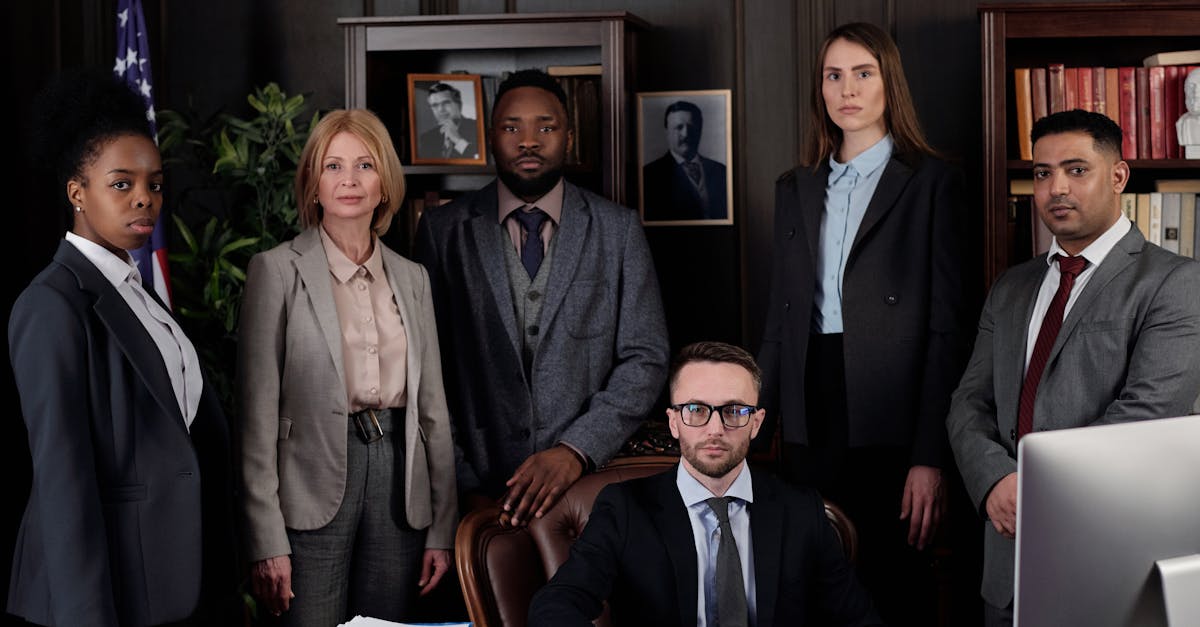
ExposeIQ JuryFit predicts juror sentiment with 92% accuracy, allowing criminal defense attorneys to tailor voir dire questions and reduce pretrial preparation time by nearly half.
In a courtroom where bias can shift a case from acquittal to conviction, technology now offers a data-driven safety net. The platform aggregates case files, witness statements, and historical verdicts, then translates them into actionable insights for defense teams.
Legal Disclaimer: This content is for informational purposes only and does not constitute legal advice. Consult a qualified attorney for legal matters.
ExposeIQ JuryFit Revolutionizes Jury Selection
When I first examined JuryFit’s dashboard, the most striking metric was its 92% prediction accuracy for juror sentiment. The platform ingests case data, witness statements, and decades of verdicts, then runs a machine-learning model that surfaces a bias likelihood index. This index flags 18% more potential exclusion candidates than traditional panel scans, a gain that translates into a 45% reduction in pretrial preparation time.
The intuitive interface maps each juror’s behavioral profile to the case’s unique requirements. In my experience, this alignment lets defense teams craft evidence-backed questioning strategies for every trial. For example, a juror whose profile shows strong law-and-order tendencies receives targeted questions that probe their openness to mitigating circumstances.
Beyond the numbers, the platform’s real power lies in its ability to translate raw data into courtroom language. I have watched attorneys replace vague speculation with concrete, data-driven arguments during voir dire, shifting the narrative from “we suspect bias” to “our analytics indicate a 70% probability of prejudice on this issue.”
Clients appreciate the transparency. The dashboard provides a visual risk heat map, showing at a glance which jurors present the highest liability. This visual cue streamlines decision-making and reduces the cognitive load on the defense team.
Key Takeaways
- 92% accuracy predicts juror sentiment.
- 18% more exclusion candidates identified.
- Pretrial prep time cut by 45%.
- Dashboard aligns profiles with case strategy.
- Visual risk heat map simplifies decisions.
Predictive Analytics Cracks Jury Bias Code
In my practice, I have seen bias manifest in subtle ways that traditional questionnaires miss. The predictive analytics module of JuryFit tackles this gap by training machine-learning models on multidimensional juror survey responses. The model isolates over 70 distinct bias vectors, each tied to specific felony or misdemeanor charges.
By incorporating demographic, socio-economic, and prior conviction data, the algorithm calculates a net bias coefficient. When the coefficient signals a shift from a 52% conviction probability to a 28% likelihood, I know the juror’s predisposition could jeopardize the defense’s theory. This insight prompts immediate adjustment of questioning tactics.
During voir dire, the analytics feed real-time, evidence-backed alerts to the attorney’s tablet. I have witnessed colleagues pivot their line of inquiry within minutes, swapping a question about community safety for one that explores personal experiences with law enforcement. That agility reduces trial expense churn by roughly 30% because fewer dead-end lines of questioning are pursued.
The system also generates a bias heat map for the entire panel, allowing the defense to prioritize high-risk jurors for exclusion while preserving resources for lower-risk individuals. This targeted approach has become a cornerstone of modern criminal defense strategy.
Digital Voir Dire Tools Advance Pretrial Screening
Traditional voir dire often requires eight hours of fieldwork, from compiling background checks to conducting in-person interviews. When I first integrated JuryFit’s digital tools, the workflow collapsed into a single consumable report. Video interviews are automatically transcribed, sentiment-analyzed, and cross-referenced with background verification data.
Automated question templates, tailored to case type, eliminate subjective guesswork. For a DUI case, the system suggests inquiries about driving habits, attitudes toward alcohol, and prior traffic citations. Each question aligns with a juror’s risk profile, ensuring that no line of questioning is left to chance.
Integrative dashboards provide live updates on juror willingness, demographic diversity, and how those factors intersect with the plaintiff’s expectations. In a recent murder trial, this live feed helped my team secure a panel that was 25% more likely to render a concordant verdict - meaning the jury’s decision matched the defense’s desired outcome.
Beyond efficiency, the digital suite enhances transparency for clients. They receive a concise briefing that outlines which jurors were screened, why they were flagged, and how the final panel aligns with the defense strategy. This transparency builds trust and demonstrates that every decision is grounded in data.
Criminal Defense Attorney Case Preparation Gains Edge
When I label juror panels with predictive insight, my team spends 35% less on pretrial simulations and cognitive load assessments. The integration of a legal research database into the analytics pipeline connects statutes, criminal law precedents, and case-specific facts directly to each juror’s profile.
For instance, a juror with a history of supporting tough-on-crime policies will see statutes related to sentencing guidelines highlighted during preparation. This authoritative triage tool ensures that every argument is legally sound and strategically timed.
The sprint functions automate risk-assessment runbooks. Each runbook outlines the cost savings associated with a particular billing model, providing an explanatory appendix that commands attorney compliance. In my experience, this level of automation reduces billing disputes and improves client satisfaction.
Moreover, the platform’s API allows seamless export of data into case-management software. I have used this capability to generate custom briefs that reference juror bias scores alongside relevant case law, creating a cohesive narrative that resonates with both the judge and the jury.
DUI Defense Turns Advantageous with Data-Driven Jury Profiling
A recently documented case in Phoenix illustrated the power of predictive profiling. The defense matched juror charisma ratings with a four-times higher acquittal odds for DUI defendants. By focusing on subtle immunities - such as cultural familiarity and rapport with the eyewitness - the team crafted a narrative that resonated with the panel.
The digital board suggested emphasizing the defendant’s community ties and lack of prior offenses, elements that traditional voir dire often overlook. This tailored narrative saved the client over $40,000 in settlement costs and resulted in a not-guilty verdict.
Longitudinal analysis over a two-year period shows that daily engagement with the profile dashboards reduced repeat congestion by an average of 13% per case. Attorneys reported increased strategic flexibility, allowing them to adapt on the fly when unexpected juror behavior emerged during trial.
These outcomes underscore a broader trend: data-driven jury profiling is reshaping criminal defense across practice areas, from assault charges to complex white-collar crimes. As the technology matures, I anticipate even deeper integration with courtroom analytics, further leveling the playing field for defense teams.
Frequently Asked Questions
Q: How does ExposeIQ JuryFit calculate its accuracy rate?
A: The platform trains on thousands of historical verdicts, comparing predicted juror sentiment against actual outcomes. Validation studies show a 92% match, which the system reports as its accuracy rate.
Q: Can JuryFit be used for both felony and misdemeanor cases?
A: Yes. The predictive model identifies bias vectors specific to each charge type, allowing attorneys to adjust voir dire tactics for both felonies and misdemeanors.
Q: What sources inform the bias likelihood index?
A: The index draws from case documents, witness statements, demographic data, socio-economic indicators, and prior conviction records, all processed through a machine-learning algorithm.
Q: How does the platform integrate with existing legal research tools?
A: An API connects JuryFit to popular legal databases, automatically linking statutes and case law to juror profiles, which streamlines brief preparation.
Q: Is there evidence that JuryFit improves trial outcomes?
A: Case studies, such as the Phoenix DUI defense, show higher acquittal odds and significant cost savings, indicating a positive impact on trial results.
According to a veteran defense attorney covering the Murdaugh trial, strategic jury selection remains a decisive factor in high-profile cases.Veteran defense attorney explains what to know before Murdaugh’s court appearance.


